Warehouse and manufacturing robots
Keep your warehouse throughput up when there is nobody to hire for the monotonous stations. One person plus a robot do the work of 3-5 manual workers: the robot takes moving and palletising, the person takes control and the odd cases.
Keep the warehouse flowing when there is nobody to hire for the monotonous stations. One person plus a robot do the work of 3-5 manual workers: routine to the robot, control and the odd cases to the person.
- Rental · leasing · purchase
- A pilot on one line
- We work across Russia
- Reinforcing the station, not replacing people
What a robot solves on your site
Value tied to what matters in your task — without promises a robot cannot keep.
Throughput without depending on hiring
87% of companies name the shortage of staff as the key driver for robotisation. A robot covers the monotonous station that is harder to staff with people than it is to pay off.
Routine goes to the robot
Moving and palletising go to the robot, while control, the odd cases and decisions stay with the person. One operator plus a robot do the work of several manual workers.
Numbers for your warehouse
We do not sell a robot, we sell the numbers for your process: your product mix, your seasonality, your economics. There is no single payback figure — we calculate it on your inputs.
Start without stopping the warehouse
We start with a pilot on one line or station instead of switching the whole warehouse to robots blind. Once it proves itself, you scale up step by step.
A readiness audit before deployment
A robot in a warehouse that is not in order is expensive chaos. Before we propose anything, we check that the processes and the WMS are ready: if the station is not, we will say so.
Failure scenarios agreed up front
Faced with something out of the ordinary, the robot stops and signals rather than pushing on. The response and how the operator steps in are written into the contract: line downtime is expensive.
What usually stops people — and how we close it
Answered objections are your material for defending the purchase to management, finance and procurement.
A robot turns wages into a rigid lease payment that will sink us in a downturn
That is why you can start with rental or a pilot rather than a loan for a whole fleet. You pay for the result month by month and scale up only once the economics are proven on your station.
They promise payback in 2-3 years and it turns out to be 19
There is no single figure, and promising one blind would be dishonest. We calculate the ROI on your product mix, seasonality and load structure, not on a vendor deck.
We have a zoo of a product mix and non-standard pallets
Robots have tight tolerances on pallet dimensions and will not take more than one pallet per cell. Before deployment we go through your product mix: a robot pays off on long, uniform routes, and in some places manual work is the honest answer.
If the robot stops, the whole line stops
The robot gets caught on small things such as film from a neighbouring pallet, and then it stops rather than driving on blind. Failure scenarios and response times are part of the contract, so downtime does not turn into losses.
Getting started without a large purchase
A robot does not have to be a capital purchase up front. Start with rental or leasing: a monthly payment instead of a lump sum, and capital spending turns into operating spending.
Rental
Test a robot on your own task without putting an asset on the books.
- An event, a season or a pilot at one site
- No asset on your balance sheet, a quick start
- Buyout is possible, terms are discussed
Leasing
Put a robot to work now and pay in instalments. For companies, without a large payment at the start.
- No one-off hit to the budget
- A monthly payment, the robot works from day one
- We help with the paperwork and the model
Purchase
If the task is proven and permanent, take the robot into ownership with warranty and service.
- Your own robot for a permanent task
- Warranty support, commissioning and training
- Service and spare parts after deployment
The number one barrier in robotisation is not payback but the money up front. Rental and leasing remove it: you pay for the result by the month rather than for the hardware in full.
A monthly payment for a robot is often comparable to the salary of one front-line employee, and the robot works without sick days, holidays or turnover.
From request to ongoing support
A path without surprises: you enter through rental or a pilot, and the decision to buy comes once the task is proven.
- 1
Request
You send a request describing the station and the task — moving, palletising, patrolling.
- 2
Readiness audit
We check the processes, the WMS, the floors and the aisles: is the station ready for robots, or does order need to come first.
- 3
A pilot on one line
We put a robot on one station without stopping the warehouse — you test the economics on your own data.
- 4
Numbers for your case
We calculate the payback on your product mix and seasonality, not on a generic deck.
- 5
Scaling up
Once the economics are confirmed, you expand step by step, by purchase or by leasing, without a hit to the budget.
- 6
Ongoing support
Failure scenarios, service and Russian-language support across Russia under contract.
Robots for this task
A live catalog for this segment. The categories lead to the full selections.
- Pudu Robotics
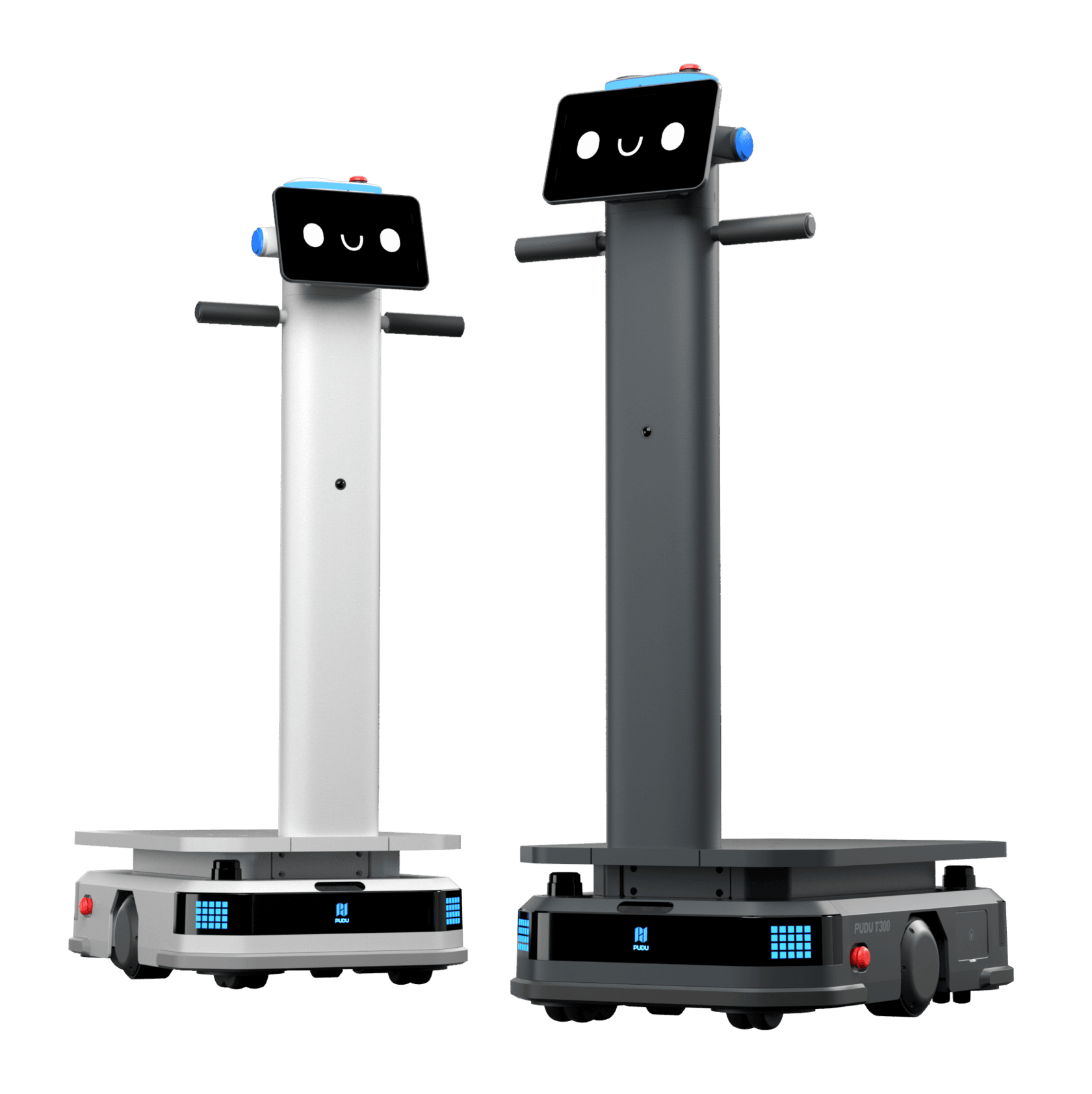
Pudu T300 robot
An ideal solution for automating internal logistics processes
Price on requestDetails - Keenon Robotics
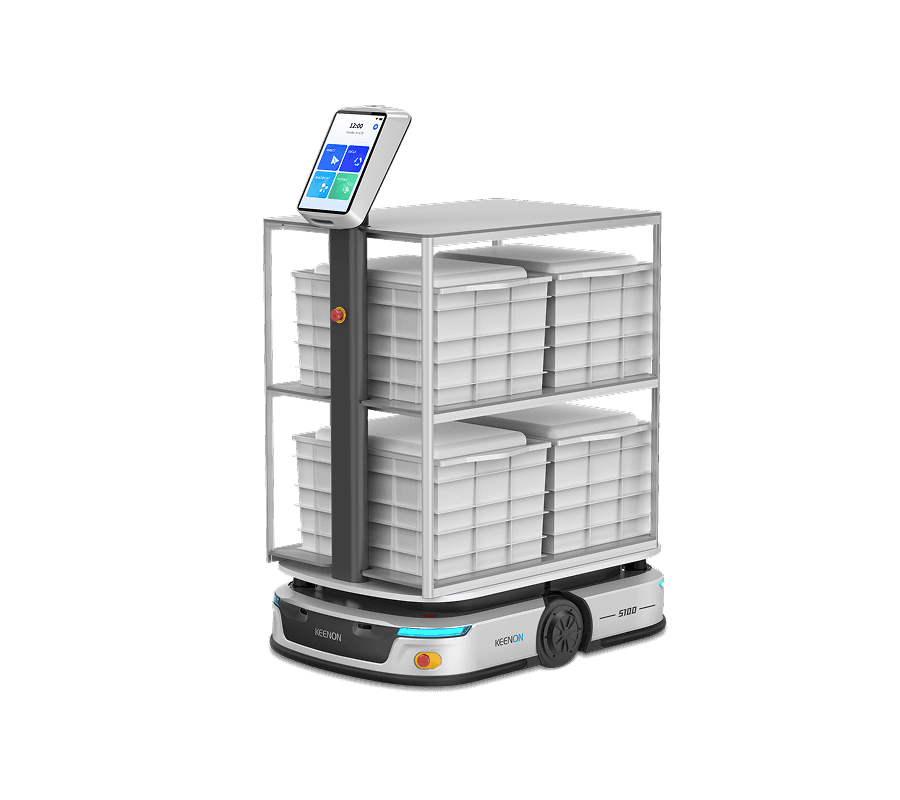
Keenon S100 robot
Delivery robot for warehouse logistics
Price on requestDetails - Unitree
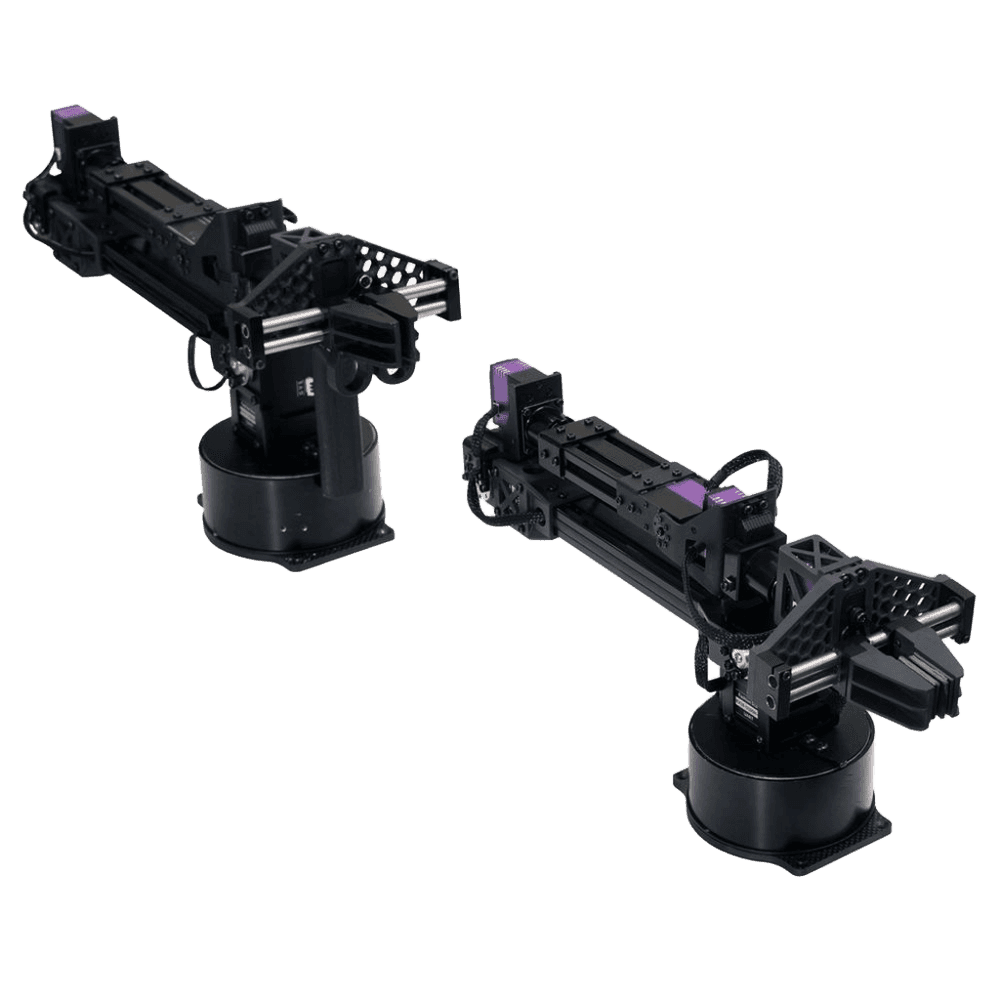
Unitree D1-T robotic arm
Education, industrial manufacturing, laboratory research
Price on requestDetails - AgileX

AgileX PiPER robotic arm
For use in manufacturing, research, healthcare, and other industries; suited for integration with other AgileX robot platforms
Price on requestDetails - ABB GoFa

ABB GoFa CRB 15000 robotic arm
Industrial automation
Price on requestDetails - UFACTORY

UFACTORY Lite 6 robotic arm, model LI10
Robotic arm for picking and moving small objects in manufacturing, laboratory research, healthcare, and other industries
Price on requestDetails - UFACTORY

UFACTORY 850 robotic arm, model XI15
Robotic arm for picking and moving small objects in manufacturing, laboratory research, healthcare, and other industries
Price on requestDetails - UFACTORY

UFACTORY xArm 7 robotic arm, model XS13
Seven-axis arm for assembly in tight spaces
Price on requestDetails
Common questions about this task
What is specific to the segment and where a robot's limits are. General questions about price, service and payback are answered on the home page.
How much does the whole project cost, not one robot?
What does the robot do when something goes wrong, and how fast does a person step in?
Which pallets and loads are supported, and what about non-standard ones?
How quickly does a pilot start and how many robots at the beginning?
What if our warehouse processes are a mess?

Logistics, warehousing and manufacturing: send a request — we will suggest specific models and quote rental, leasing or purchase. Price on request.
Calculate the payback
[ purchase // rental // leasing ]