Robot leasing for companies
The number one barrier to buying a robot is not the payback, it is the money upfront. A full project costs 10-50 million roubles. Leasing turns a one-off sum into a monthly payment, and the robot works from day one.
The money for the robot comes from a leasing company, not from the seller. Below we walk through the whole deal.
- Purchase, rental or leasing across the whole catalog
- Offer and specification for the leasing company
- We work across Russia
Who is who in a leasing deal
Leasing is a three-party deal. The money comes from the leasing company, not from the robot's seller: it buys the machine and owns it until the buyout.
You, the lessee
You choose a robot for the task and pay the down payment and the monthly instalments. The robot works at your site from delivery and becomes your property after the final payment.
The leasing company, the lessor
It finances the deal: it buys the robot you chose from the supplier and hands it over to you under a finance lease. Until the buyout the robot belongs to it, and it sets the terms and the schedule.
ROBODATA, the supplier
We match a robot to the task, prepare the offer, the invoice and the specification for the leasing company, deliver the robot and launch it at your site.
A leasing company checks not only the client but also the supplier. Our company details are public: SBE-TECH LLC, in business since 2015.
What leasing does for your budget
Four arguments a procurement champion takes to the finance director: the money upfront, taxes, the moment ownership transfers and the document package.
Entry through payments, not capital expenditure
You do not tie up 10-50 million roubles at the start of a project: the cost of the robot is spread over a schedule.
Tax effect
Under the general tax regime, the VAT within leasing payments is normally deductible, and the payments themselves are booked as expenses and reduce profit tax. The exact effect depends on your regime: check with your own accountant.
The robot works right away, the buyout comes at the end
The machine is in your use from the moment of delivery. The robot becomes your property after the final payment; until then it belongs to the leasing company.
A package for internal approval
We prepare the offer, the specification and the invoice: with that package you justify the procurement to management, and the leasing company sees a clear subject of the deal.
What a leasing company usually asks about
The order of magnitude across the equipment leasing market, so you know what to expect before you apply.
These are benchmarks from the equipment leasing market, not our terms. The parameters of a specific deal are set by the leasing company: in the deal we are the supplier and we do not set rates, down payments or terms.
10-30%
Down payment share
For non-standard machinery, which includes robotics, a higher share may be requested.
1-5 years
Contract term
Equipment is rarely leased for longer than five years.
up to 3 days
Decision on an application
Once the full document package is submitted, sometimes within an hour.
6-12 months
Age of the company or sole proprietor
Plus positive financial statements and no tax arrears. Common reasons for a refusal: an incomplete document package and weak reporting.
5%
per year under the federal programme
Subsidised leasing of industrial robots
For manufacturing enterprises there is a federal programme of subsidised leasing of industrial robotics: a rate of 5% (3% for the new regions), a term from 1 to 5 years, applying to new robots of any origin, including foreign ones.
The limits are stated honestly. The programme covers only industrial robotics under the relevant product classification codes: from our catalog that means manipulators and industrial robots, not robot dogs and humanoids. The recipient of the support is a manufacturing enterprise, applications are accepted by participating leasing companies, and the application windows are time-limited. This is a state programme, not our offer: we will discuss how it applies to your enterprise and robot during the quote.
Sources: the Ministry of Industry and Trade on the programme, a breakdown of the terms on MashNews.
What usually stops people and how we address it
Leasing is a commitment for years, so we answer concerns with calculations and process rather than promises.
A leasing payment will sink us in a downturn
A fixed payment makes sense for a proven, permanent task. If the task is seasonal or still unverified, start with a rental or a pilot and lower the cost of a mistake: unlike a person, a robot cannot be laid off for six months.
What if it does not pay off, I do not trust promises
We do not invent a payback period: we calculate the economics for your inputs. A rental or a pilot helps you verify the payoff before leasing.
Leasing costs more than buying over the distance
There is a premium for paying over time, and that is honest. The comparison is not with the price tag but with the cost of taking that sum out of circulation: if the money earns more in your business than the premium, leasing wins. Under the general tax regime part of the premium comes back as a tax effect. We calculate both options for your project.
Who pays for a breakdown under a lease
Payments to the leasing company follow the schedule regardless of downtime, and that has to be understood before the deal. That is why service and warranty terms are fixed in the deal documents in advance; we go through them at the quote stage.
The leasing company will not approve a robot, it is not a machine tool
Robotics really is a non-standard subject: the review is deeper and the down payment may be higher than for vehicles. Our part is a precise specification and a justification of the price, configuration and lead time, so the leasing company has no questions about the subject of the deal.
We are on the simplified tax regime, does leasing make sense for us
Under the simplified regime there is no VAT deduction, so the tax effect is smaller than under the general one. But the main reason to lease is not taxes, it is entry without capital expenditure: a payment instead of a lump sum. We calculate it for your tax regime.
How a leasing deal goes, step by step
The route from request to buyout. There are two contracts in the deal: the lease with the leasing company and the supply contract with us.
- 1
A request to us
Describe the task and tell us the type of organisation, the tax regime and whether you already have a leasing company. No obligations.
- 2
Selection and the subject of the deal
We match a robot to the task and prepare the offer and specification: the deal gets a clear subject and price. Price on request.
- 3
Application to the leasing company
You apply to your own or a chosen leasing company. Across the market a decision takes from an hour to three working days. On our side we hand over everything about the subject: the specification, the invoice and the lead time.
- 4
Contracts
You sign the lease with the leasing company, it signs a supply contract with us and pays for the robot. The down payment goes to the leasing company.
- 5
Delivery and launch
We bring the robot and launch it at your site.
- 6
Payments and buyout
You pay the leasing company on the schedule while the robot works from day one. After the final payment it becomes your property.
Robots available for leasing
Any item in the catalog can be leased. Here is one model from each category where paying over time makes sense: a humanoid, an inspection robot, a manipulator and an industrial robot.
- Unitree
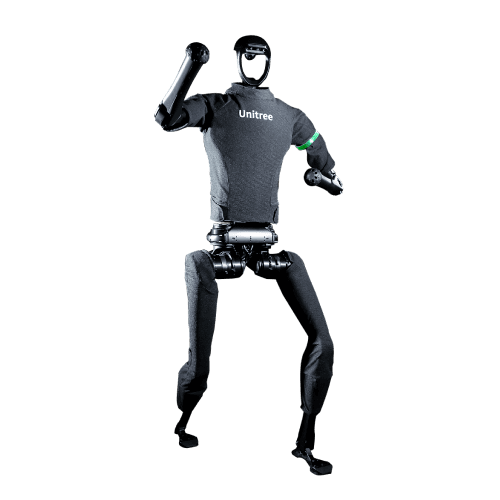
Unitree H1 robot
Full-size humanoid with a record walking speed of 3.3 m/s
Price on requestDetails - DEEPRobotics
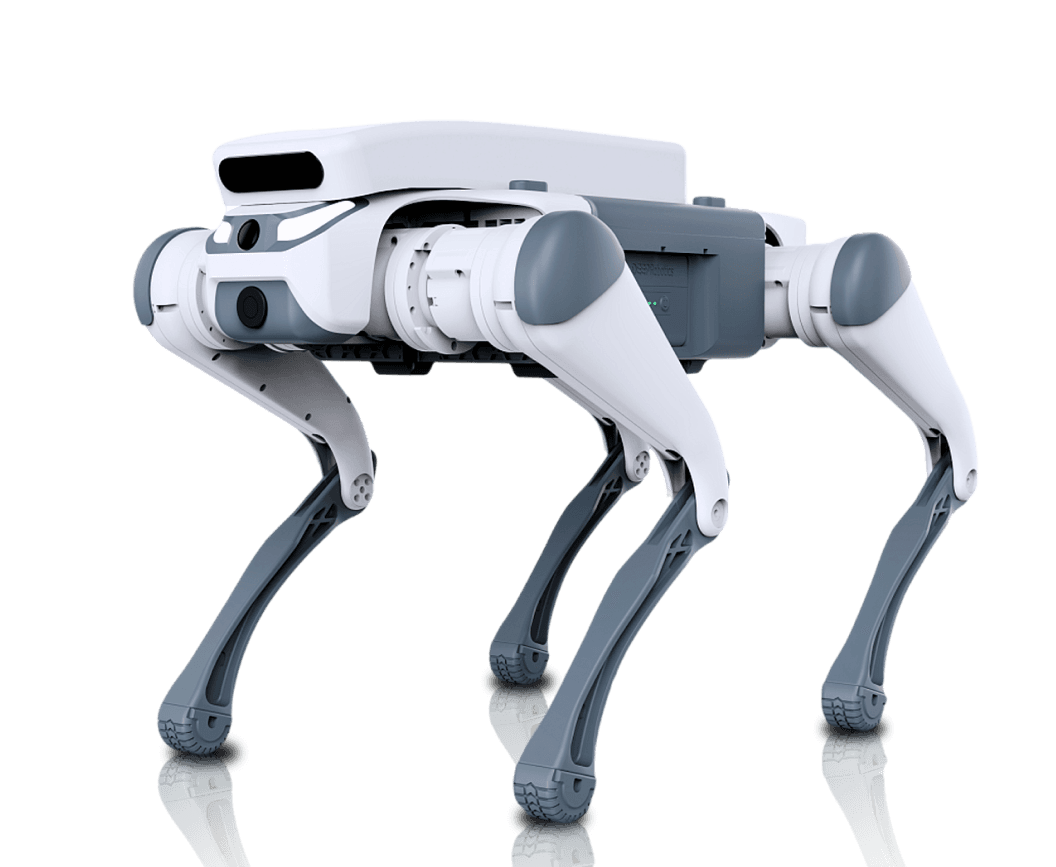
DEEPRobotics Lite3 Pro robot
Versatile bionic robot with an AI module
Price on requestDetails - Petoi
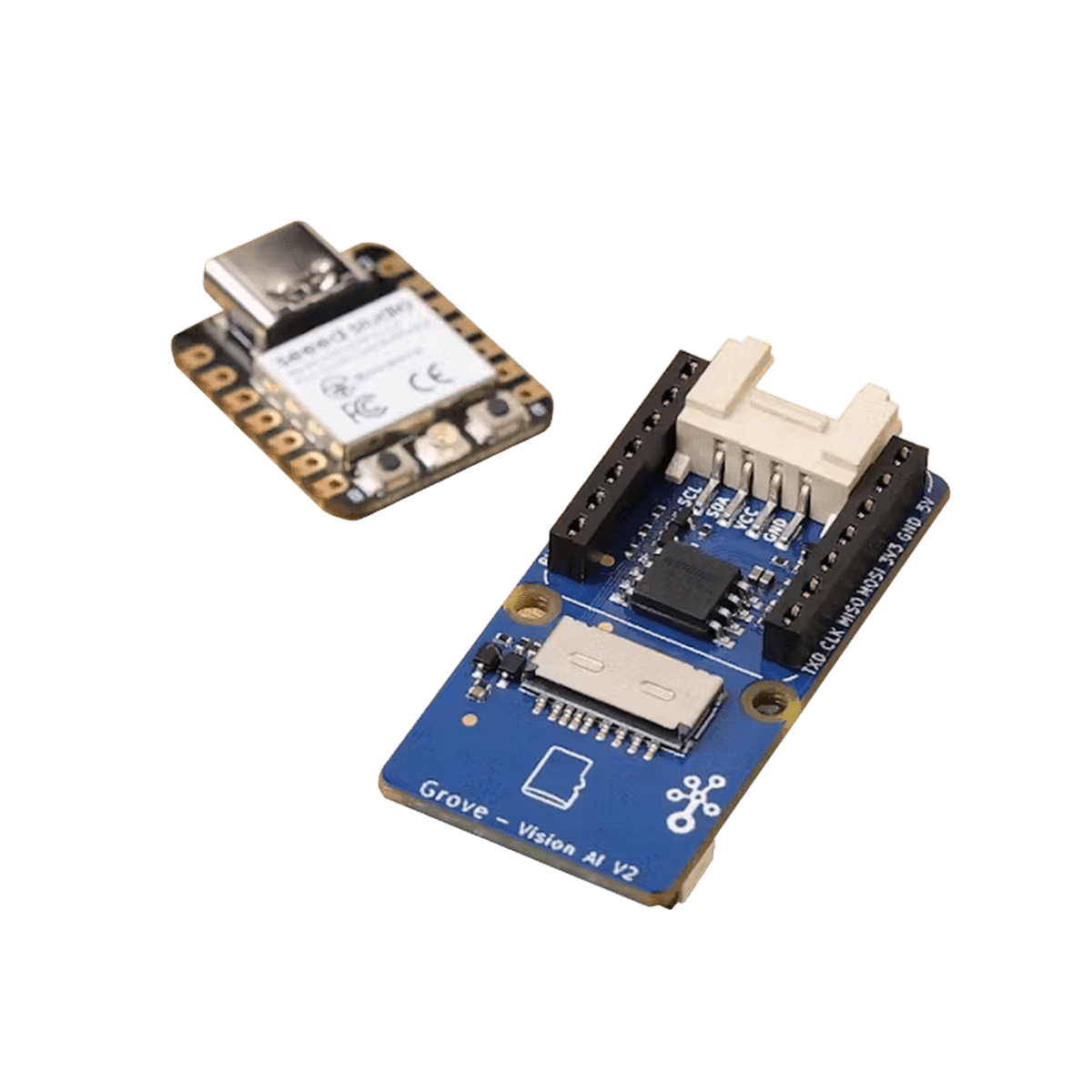
AI camera module for Petoi Bittle robot dogs
Computer vision and object recognition for Petoi Bittle robot dogs
Price on requestDetails - Pudu Robotics
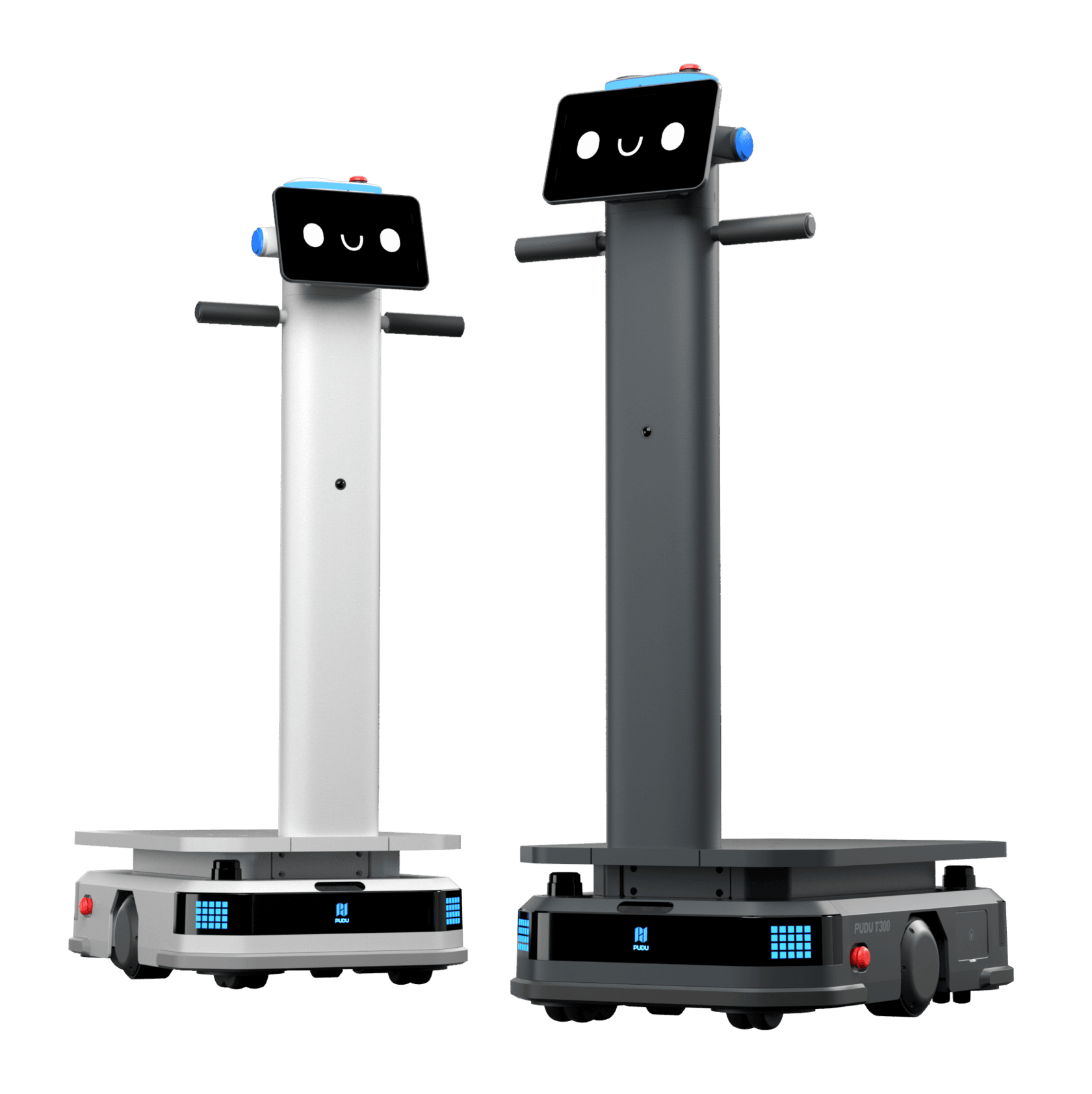
Pudu T300 robot
An ideal solution for automating internal logistics processes
Price on requestDetails
Not sure leasing is the right fit?
A rental removes the risk on a one-off or seasonal task, while a purchase fits once the task is proven and permanent.
Frequently asked questions about leasing
The questions people ask before applying to a leasing company. The terms of a specific deal are set by the lessor.
Who provides the money: ROBODATA or the leasing company?
Can the deal go through our own leasing company?
What does leasing give us on taxes?
What are the requirements for our company?
Will a leasing company accept a robot as the subject of a lease?
Is there state support for leasing robots?
What happens to the payments if the robot breaks down?

Leave a request: we will match a robot and prepare an offer with a specification for the leasing deal. In the comment, tell us the type of organisation, the tax regime and whether you already have a leasing company. Price on request.
Get a leasing quote for your project
[ purchase // rental // leasing ]