A robot for perimeter security and inspection
A patrol robot reinforces security on night rounds and inspections of hazardous zones: it walks every checkpoint on the route, with no blind spots and no human factor. Not a replacement for guards, but a guarantee that the round is complete.
Complete rounds 24/7, which a person on a night patrol does not always guarantee. The robot walks every checkpoint and takes people out of the hazardous zone. Not a replacement for guards, but reinforcement.
- Rental · leasing · purchase
- Entry without a large purchase
- We work across Russia
- Reinforcement for guards, not a replacement
What a robot solves on your site
Value tied to what matters in your task — without promises a robot cannot keep.
Complete rounds 24/7
The robot walks every checkpoint on the route without skipping any. What a person on a night round might cut corners on, the robot does the same way every shift.
It gets where wheels stop
Legs handle stairs, substation steps, kerbs and rough ground. On a flat site we will honestly suggest a wheeled platform — there is no need to overpay for legs.
People out of the risk zone
The robot takes on inspections of hazardous areas and leaks. A person no longer walks into places where they used to risk their health.
Patrol, recharge, patrol
One charge lasts 1-2 hours of active movement, with the exact figure depending on the model and the terrain. After that the robot returns to its charging dock on its own and carries on — that is how 24/7 is covered.
ROI from damage prevented
At heavy industrial sites we calculate payback from the cost of an incident rather than from guard wages: one accident or break-in that did not happen covers the cost of the robot.
Local support and service
A live engineer you can reach and support across Russia under contract, rather than an email thread with a seller on the other side of the world.
What usually stops people — and how we close it
Answered objections are your material for defending the purchase to management, finance and procurement.
A robot with cameras at a restricted site — what if someone gets in from outside
The risk is real: vulnerable devices with access to their cameras have been found at organisations' sites. We agree an isolated network segment with local-only control to your security team's requirements before the deal.
Why does a robot need legs when a wheeled one is cheaper, faster and more reliable
On a flat yard a wheeled robot really is simpler, and we will say so. Legs are needed on stairs, steps and rough ground where a wheeled one stops: we pick the chassis for your site rather than selling legs for the sake of legs.
It will stop in frost, snow and rain — not built for our winters
Honestly: the rated range of the base models is narrower than a Russian winter, and heavy rain and blizzards are out of the question for them. For an all-season task we select a protected version and state the real weather limits before the deal.
A reseller mark-up of three times the factory price
We justify the price transparently: legal import, service and Russian-language support, rather than a mark-up out of thin air. We calculate the cost for your site, and you can enter through a rental pilot.
Getting started without a large purchase
A robot does not have to be a capital purchase up front. Start with rental or leasing: a monthly payment instead of a lump sum, and capital spending turns into operating spending.
Rental
Test a robot on your own task without putting an asset on the books.
- An event, a season or a pilot at one site
- No asset on your balance sheet, a quick start
- Buyout is possible, terms are discussed
Leasing
Put a robot to work now and pay in instalments. For companies, without a large payment at the start.
- No one-off hit to the budget
- A monthly payment, the robot works from day one
- We help with the paperwork and the model
Purchase
If the task is proven and permanent, take the robot into ownership with warranty and service.
- Your own robot for a permanent task
- Warranty support, commissioning and training
- Service and spare parts after deployment
The number one barrier in robotisation is not payback but the money up front. Rental and leasing remove it: you pay for the result by the month rather than for the hardware in full.
A monthly payment for a robot is often comparable to the salary of one front-line employee, and the robot works without sick days, holidays or turnover.
From request to ongoing support
A path without surprises: you enter through rental or a pilot, and the decision to buy comes once the task is proven.
- 1
Request
You send a request with the type of site and the patrol task — we discuss the route and the checkpoints.
- 2
Site audit
We go through the terrain, the steps and the weather: where a wheeled platform is enough and where legs are needed.
- 3
Isolation design
We agree an isolated network segment to your security team's requirements — before delivery, not after.
- 4
Rental pilot
We start with a trial shift at the site: you check that the rounds are complete without a large purchase.
- 5
Delivery or leasing
Once you are convinced, you take it into ownership or on lease, paying in instalments instead of millions at once.
- 6
Ongoing support
Russian-language support, service and spare parts across Russia under contract.
Robots for this task
A live catalog for this segment. The categories lead to the full selections.
- DEEPRobotics

DEEPRobotics Lite3 Lidar robot
Versatile bionic robot in an advanced configuration
Price on requestDetails - DEEPRobotics
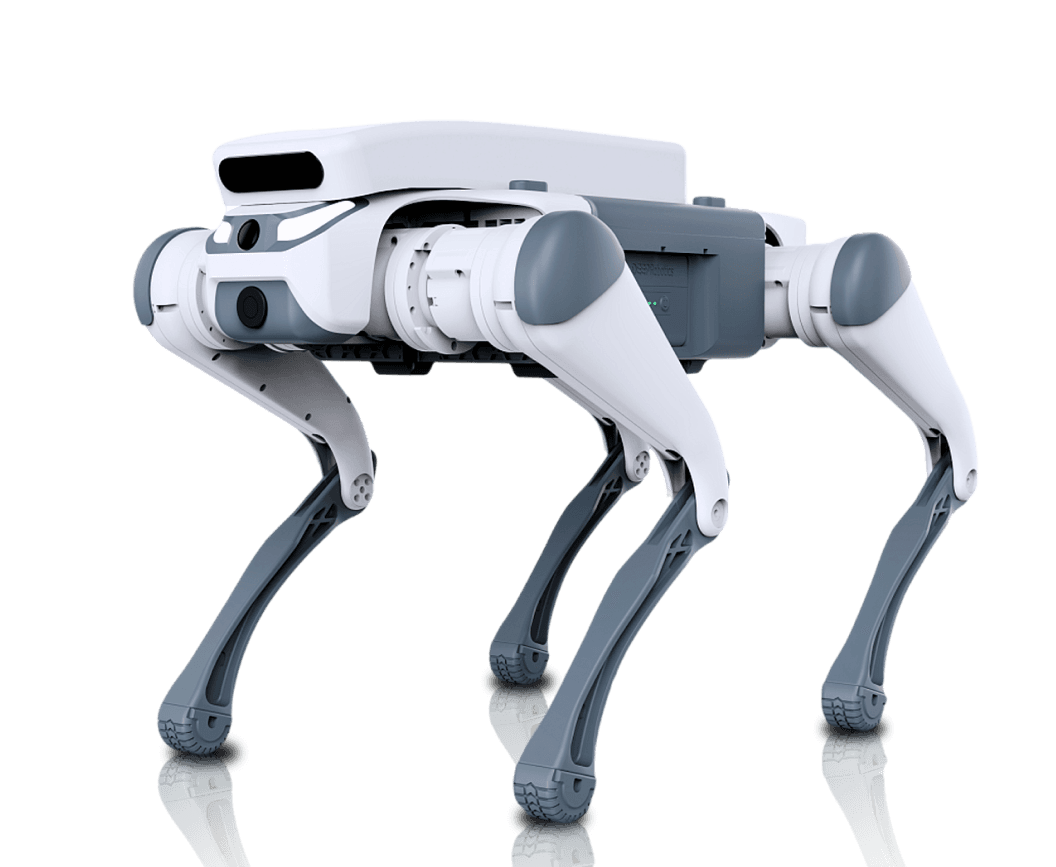
DEEPRobotics Lite3 Pro robot
Versatile bionic robot with an AI module
Price on requestDetails - DEEPRobotics

DEEPRobotics Lite3 Venture robot
Light and agile bionic robot
Price on requestDetails - DEEPRobotics
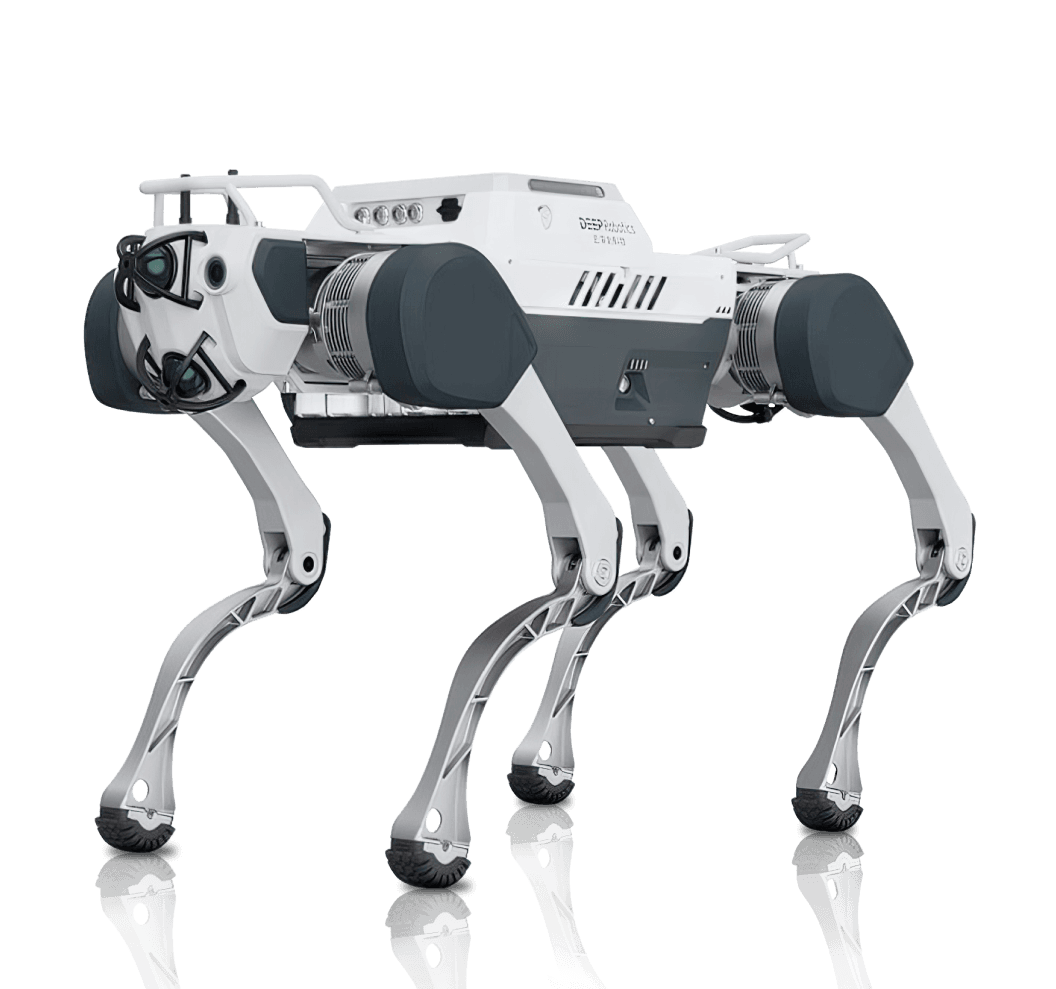
DEEPRobotics X30 robot
Industrial inspection robot for harsh environments
Price on requestDetails - Unitree

Unitree A2 Pro robot
Quadruped platform for navigation, education, research, and prototyping
Price on requestDetails - Unitree

Unitree A2-W robot
Wheel-legged quadruped robot for education and research
Price on requestDetails - Unitree

Unitree B2-W robot
Versatile industrial robot
Price on requestDetails - Unitree

Unitree B2 robot
Efficient and ultra-stable industrial robot
Price on requestDetails
Common questions about this task
What is specific to the segment and where a robot's limits are. General questions about price, service and payback are answered on the home page.
Why does a robot need legs when wheels or tracks are faster and cheaper?
How long does a charge last? Will it cover a full patrol shift?
Does it work in frost, snow and rain all year round?
How long until it pays off against guards' wages?
Perimeter security and inspection: send a request — we will suggest specific models and quote rental, leasing or purchase. Price on request.
Quote perimeter security
[ purchase // rental // leasing ]