Robots for education and science
Teach students on real research hardware with an open SDK. A robot is a tool in the hands of a teacher and a student, not a smart toy that sits idle without a teaching method.
Practice on real research hardware with an open SDK, and standing for the institution. What matters is taking not hardware alone but a platform with teaching support, otherwise the robot sits idle.
- Rental · leasing · purchase
- Universities and tech parks
- Russian-language support
- Open SDK
Getting started without a large purchase
A robot does not have to be a capital purchase up front. Start with rental or leasing: a monthly payment instead of a lump sum, and capital spending turns into operating spending.
Rental
Test a robot on your own task without putting an asset on the books.
- An event, a season or a pilot at one site
- No asset on your balance sheet, a quick start
- Buyout is possible, terms are discussed
Leasing
Put a robot to work now and pay in instalments. For companies, without a large payment at the start.
- No one-off hit to the budget
- A monthly payment, the robot works from day one
- We help with the paperwork and the model
Purchase
If the task is proven and permanent, take the robot into ownership with warranty and service.
- Your own robot for a permanent task
- Warranty support, commissioning and training
- Service and spare parts after deployment
The number one barrier in robotisation is not payback but the money up front. Rental and leasing remove it: you pay for the result by the month rather than for the hardware in full.
A monthly payment for a robot is often comparable to the salary of one front-line employee, and the robot works without sick days, holidays or turnover.
Robots for this task
A live catalog for this segment. The categories lead to the full selections.
- Petoi
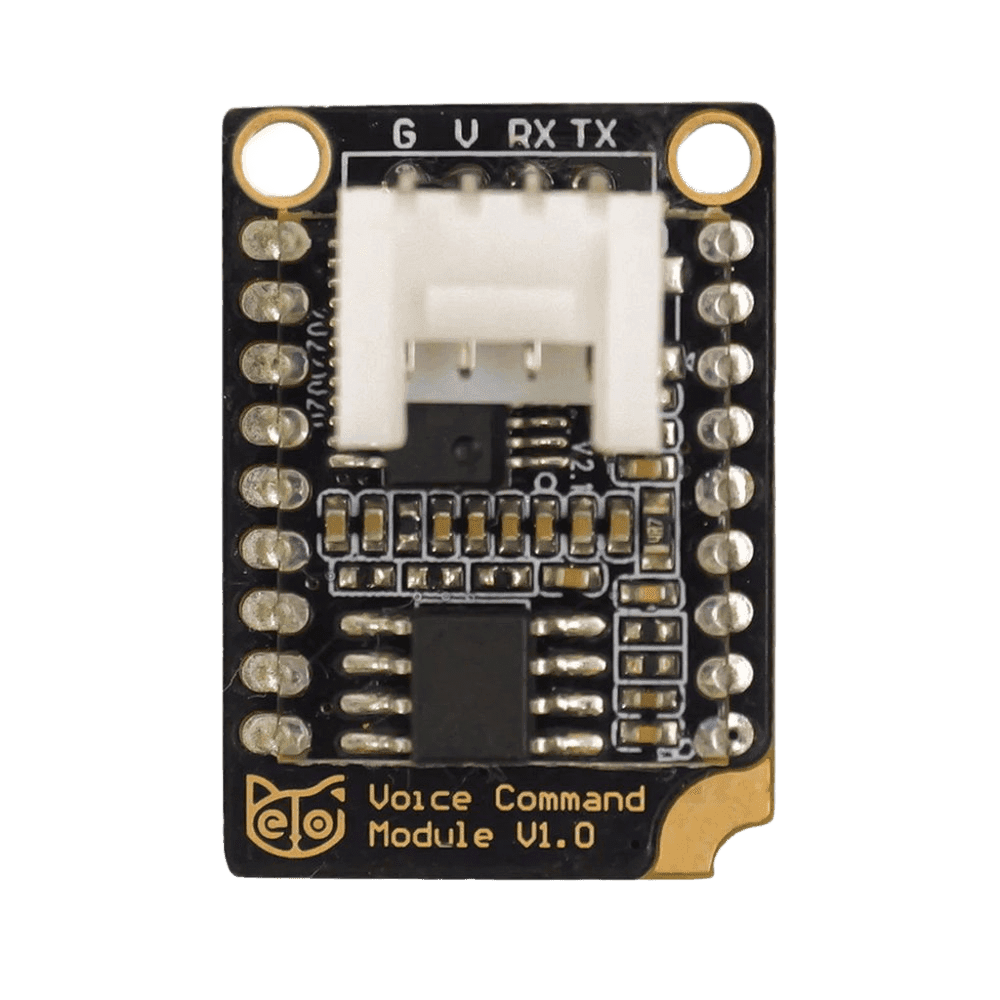
Petoi robot dog basic sensor kit for development, IoT and AI
Petoi base sensor kit for breakthrough AI
Price on requestDetails - Petoi

Petoi Robot Cat Nybble construction robot cat
Smart, compact, and fully customizable robot pet
Price on requestDetails - Petoi

Petoi OpenCat Bittle R pre-assembled robot
Programming education from beginner to pro
Price on requestDetails - Petoi

Petoi Bittle STEM Kit robot
Interactive robot dog for play and learning
Price on requestDetails - Unitree
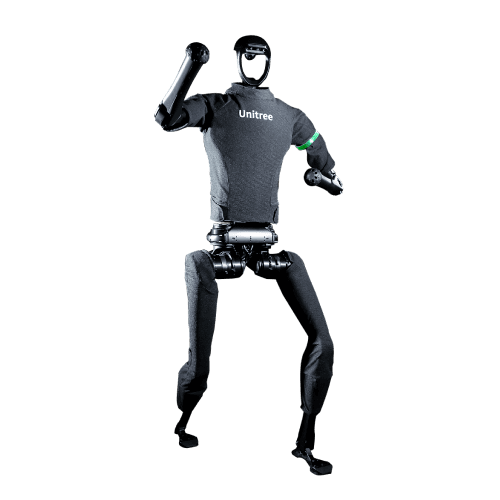
Unitree H1 robot
Full-size humanoid with a record walking speed of 3.3 m/s
Price on requestDetails - Unitree

Unitree G1 robot
General-purpose humanoid robot with AI
Price on requestDetails - NavBot

NavBot-EN01
Smart, scalable companion for STEM education
Price on requestDetails - ABB GoFa

ABB GoFa CRB 15000 robotic arm
Industrial automation
Price on requestDetails
Common questions about this task
What is specific to the segment and where a robot's limits are. General questions about price, service and payback are answered on the home page.
Where do we start and what should we buy first?
We have no teacher who can handle this hardware. What do we do?
Is the robot autonomous or does it have to be driven? What does the EDU edition give?
Is there documentation we can actually work from? We will not buy without clear docs.

Education and science: send a request — we will suggest specific models and quote rental, leasing or purchase. Price on request.
Request a quote for our institution
[ purchase // rental // leasing ]